
In the quiet years following a nuclear catastrophe, humanity faces a question more difficult than simple survival: what comes next? Fallout 76 Itemsexplores this moment of uncertainty by placing players into a world that is no longer ending, but slowly continuing. The focus is not on the instant of destruction, but on the fragile period after, when survivors emerge to face consequences, rebuild meaning, and decide how to live among the ruins.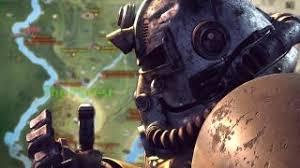
The setting of Appalachia feels deliberately chosen to support this theme. Instead of endless wasteland, the environment is filled with mountains, forests, rivers, and small towns reclaimed by time. Nature has grown wild and unpredictable, creating both beauty and danger. A peaceful walk through a forest can suddenly become a desperate fight, reinforcing the idea that survival depends on awareness and respect for the land. This living environment encourages exploration driven by curiosity rather than obligation.
Storytelling is woven into the world itself. Rather than relying on constant dialogue, the game allows players to uncover the past through environmental details. Scattered recordings, abandoned shelters, and ruined homes reveal how people reacted to the collapse of society. These fragments do not offer clear answers, only perspectives, allowing players to reflect on loss, fear, and hope. Because the story is discovered rather than delivered, it feels personal and immersive.
One of the most distinctive aspects of Fallout 76 is the presence of other players. The wasteland is shared, and every encounter carries uncertainty. Cooperation often arises naturally during large events or difficult battles, where survival depends on teamwork. At other times, interactions are brief and quiet, marked by distance or a simple gesture. These moments add emotional realism, reminding players that trust is fragile but valuable in a broken world.
Progression emphasizes patience and preparation. Resources are limited, equipment degrades, and mistakes can be costly. Crafting systems reward careful scavenging and thoughtful planning, turning everyday debris into tools of survival. Advancement feels earned through experience rather than speed, reinforcing the idea that endurance matters more than power. This slow rhythm aligns with the game’s broader themes of rebuilding rather than conquering.
Personal camps provide a sense of stability amid chaos. These player-created spaces serve as shelters, workshops, and reflections of identity. Some are designed for efficiency and defense, while others focus on creativity and hospitality. Each camp represents a small declaration of existence, a reminder that even after everything falls apart, people still seek comfort, expression, and belonging.
The evolving world continues to challenge players with new threats and opportunities. Change is constant, reinforcing the idea that recovery is not linear. Through exploration, cooperation, and quiet resilience, the game delivers a message beneath the radiation and ruins: the end of the world is not the end of purpose, and survival is most meaningful when it leads toward rebuilding something new.

 English
 Arabic
 French
 Portuguese
 Deutsch
 Turkish
 Dutch
Dutch
 Italiano
 Russian
 Romaian
 Portuguese (Brazil)
 Greek
Greek