
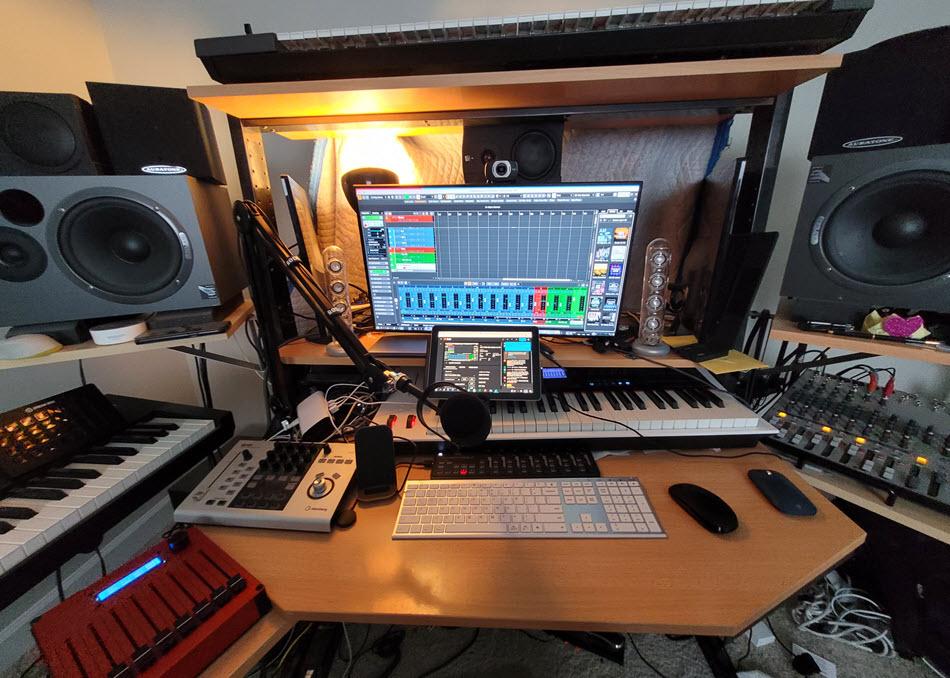
When musicians think about recording their work, one of the first questions that arises is about affordability. The subject of studio session prices often sparks conversations among both beginners and professionals. These costs are not just numbers on a page; they represent the resources, expertise, and time that go into shaping sound into something polished. The variation in pricing can feel overwhelming, yet it provides a reflection of how different studios approach their craft.
A session fee often depends on the quality of equipment offered. High-end studios equipped with vintage microphones, premium mixing desks, and advanced digital tools tend to set higher hourly or daily rates. In contrast, smaller spaces with basic but functional equipment provide more accessible options. Musicians frequently weigh the trade-off between affordability and access to tools that might help refine the finer details of their recordings.
Another major factor in pricing comes from the professionals involved. An engineer or producer can make or break a session, and their expertise is built over years of practice. The cost of hiring such individuals is usually embedded in the session fee. While some artists prefer handling technical aspects themselves, others rely on this expertise to capture the essence of their music. The difference in sound quality between self-managed recording and working with an experienced engineer can often justify the higher expense.
Location also plays a role. A studio situated in a city with a vibrant music scene may charge more than one in a quieter town. The cost of maintaining a space in a busy area reflects not only rent and utilities but also demand. Where music culture thrives, so too does competition among musicians to secure quality studio time, often pushing rates upward. Conversely, less populated areas might offer affordable rates, though they may lack access to cutting-edge technology or seasoned professionals.
The duration of the session further affects costs. Hourly rates are suitable for quick projects, such as recording vocals over an instrumental, while daily or block bookings might better suit bands working on multiple tracks. Longer bookings sometimes come with discounted rates, but they require careful planning to avoid wasted hours. Musicians who arrive fully prepared—knowing their parts, arrangements, and goals—tend to make the most of the time they’ve paid for.
There is also the question of additional services. Mixing and mastering are often billed separately, though some studios include them in package deals. These processes are vital in making a recording sound balanced and professional, yet they add to the overall bill. Artists sometimes underestimate these costs, only to find themselves stretching budgets further than expected. Transparency and communication with the studio can help avoid unwelcome surprises.
The broader impact of pricing goes beyond numbers. For emerging artists, high costs can limit creative output, pushing them to rely on home setups instead. For established musicians, session fees are often viewed as investments in the longevity of their work. The balance between budget and ambition is a recurring theme, one that every artist navigates differently.
Understanding how session rates are structured allows musicians to plan realistically. It also highlights the value of preparation, efficiency, and knowing exactly what outcome they want before entering the studio. While there is no universal price tag that fits all, recognising the reasons behind the figures gives artists a clearer perspective.
Ultimately, conversations around studio session prices are not just about money—they are about valuing time, skill, and the creative process itself.

 Arabic
 French
 Spanish
 Portuguese
 Deutsch
 Turkish
 Dutch
Dutch
 Italiano
 Russian
 Romaian
 Portuguese (Brazil)
 Greek
Greek