
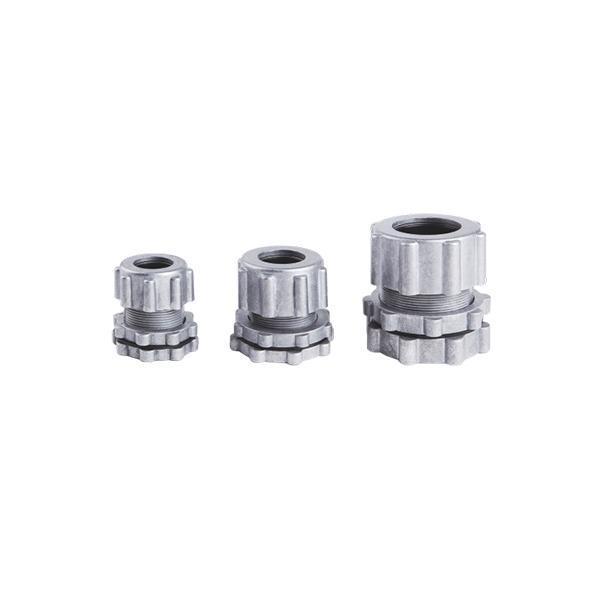
The selection and installation of pulse valves for bag-type dust collectors are key links to ensure their efficient operation.
I. Selection of Pulse Valves
1. Selection basis
The selection of pulse valves needs to comprehensively consider multiple factors such as medium characteristics, operating conditions, injection performance and pressure adaptability. For instance, corrosion-resistant materials (such as plastic King solenoid valves or all stainless steel) should be selected for corrosive media, explosion-proof products should be chosen for explosive environments, and direct-acting solenoid valves are preferred when the operating frequency is high. In addition, factors such as air volume to be processed, filtration speed, injection pressure, material lifespan, and installation and maintenance also need to be taken into consideration.
2. Technical Parameters and standards
The selection of pulse valves should comply with relevant industry standards, such as "Electromagnetic Pulse Valves for Bag Filters", etc., to ensure their performance and reliability. At the same time, the selection should be made based on parameters such as the number, diameter, length of the filter bags and the required air volume.
3. Types and Structures
Pulse valves can be classified by structure into diaphragm type, piston type, right-angle type, submerged type, straight-through type, etc. Different structures are suitable for different working conditions. For instance, submerged pulse valves are suitable for low-pressure cleaning, while right-angle valves are suitable for high-pressure cleaning.
4. Work Pressure and Environment
The working pressure range of the pulse valve needs to adapt to the changes in filter bag resistance. Generally, the pressure resistance range is 1 to 8kg/cm², and environmental conditions such as temperature, humidity and corrosiveness also need to be taken into consideration.
Ii. Installation of Pulse Valves
1. Installation requirements
Before installation, read the manual carefully to ensure the correct installation position. Lubricate the threaded connection points. After installation, tighten the nuts to prevent loosening. When installing, it is necessary to avoid the pulse valve from loosening due to inertial impact. It is recommended to fix it with a positioning steel ring.
2. Installation of the spray pipe
The spray pipe must be aligned with the center of the filter bag. The spray outlet must not be skewed. The connecting nut must be tightened to ensure sealing.
3. Maintenance and Care
After installation, it is necessary to regularly inspect the diaphragm, sealing parts and other components of the pulse valve to prevent foreign objects from entering the air tank and affecting the normal operation of the pulse valve.
Iii. Comprehensive Suggestions for Selection and Installation
The synergy between selection and installation
When selecting the type, the installation conditions should be taken into consideration. For instance, the interface form of the pulse valve (internal thread, external thread, flange, etc.) needs to be compatible with the dust collector. When installing, it is necessary to ensure the sealing of the connection between the pulse valve and the air distribution box as well as the jet pipe.
2. Performance and lifespan
Select pulse valves with long service life and high reliability. For instance, the diaphragm service life should be greater than 1 million times or 3 years. At the same time, regular maintenance is required to prevent the failure of ash cleaning due to diaphragm damage.
Iv. Summary
The selection and installation of pulse valves are the core links in the operation of bag-type dust collectors. Through scientific selection, standardized installation and maintenance, the efficient and stable operation of the dust collector can be ensured, the service life of the equipment can be prolonged, and maintenance costs can be reduced.
https://www.cnsbfec.com/Selection-and-installation-of-bag-filter-pulse-valve.html

 Arabic
 French
 Spanish
 Portuguese
 Deutsch
 Turkish
 Dutch
Dutch
 Italiano
 Russian
 Romaian
 Portuguese (Brazil)
 Greek
Greek